Tuesday, 5 August 2025

Coca-Cola Worship by Shamans in Mexico


Inside the town addicted to Coca-Cola where residents drink 800 Liters every YEAR and children are bottle-fed with the soft drink

In a remote mountain town where clean drinking water is considered a luxury, locals are turning to Coca-Cola - and not just for refreshment.

In Mexico's poorest and southernmost state of Chiapas, fizzy drinks are deeply ingrained in the local culture. 

And in the town of San Cristobal de las Casas, the obsession has spiralled out of control, with some residents guzzling up to two litres of Coca-Cola every day, or around 800 litres a year, according to the Chiapas and Southern Border Multidisciplinary Research Center. 

The iconic red and white logos line shop shelves, street stalls and even sacred shrines.

And the town's obsession with Coca-Cola does not stop there, as some residents are even known to fill their children's baby bottles with Coke instead of milk. 

An hour away from San Cristobal, in the Indigenous town of San Andres, locals consider the fizzy beverage liquid gold.

Shamans will use it as part of their religious ceremonies and regularly pray over bottles of Coca-Cola as they carry out rituals.

Fridges stocked with bottles of Coke sit next to their sacred shrines, ready to sell to faithful locals who use them as offerings, as many believe the drink has healing powers. 

Shamans will use it as part of their religious ceremonies and regularly pray over bottles of Coca-Cola as they carry out rituals.

Shamans use it as part of their religious ceremonies and regularly pray over bottles of Coca-Cola as they carry out rituals.

In Mexico's poorest and southernmost state of Chiapas, fizzy drinks are deeply ingrained in the local culture

In Mexico's poorest and southernmost state of Chiapas, fizzy drinks are deeply ingrained in the local culture

The iconic red and white bottles line shop shelves, street stalls and even sacred shrines

The iconic red and white bottles line shop shelves, street stalls and even sacred shrines

But religion is not the only reason for the state's dependency on Coca-Cola, and behind the ritual lies a dark reality. 

With a growing population, safe drinking water has become increasingly scarce in the area, with some neighbourhoods only having access to running water a few times a week. 

Just 7 per cent of households in Chiapas believe their water is safe to drink, according to a 2023 national survey, forcing many to buy bottled water or the fizzy drink, which is just as cheap.

A local plant owned by Femsa, a food and drink conglomerate that owns the rights to bottle and sell Coca-Cola in Latin America, is allowed to extract more than 1.3million litres of water a day as part of a concession with the federal government.

Mexico's children consume more junk food than anywhere else in Latin America, according to UNICEF, which classifies the nation's childhood obesity epidemic as an emergency

Mexico's children consume more junk food than anywhere else in Latin America, according to UNICEF, which classifies the nation's childhood obesity epidemic as an emergency

In the town of San Cristobal de las Casas, the obsession has spiralled out of control, with some residents guzzling up to two litres of Coca-Cola every single day

In the town of San Cristobal de las Casas, the obsession has spiralled out of control, with some residents guzzling up to two litres of Coca-Cola every single day

Just 7 per cent of households in Chiapas believe their water is safe to drink, according to a 2023 national survey, forcing many to buy bottled water or the fizzy drink, which is just as cheap

Just 7 per cent of households in Chiapas believe their water is safe to drink, according to a 2023 national survey, forcing many to buy bottled water or the fizzy drink, which is just as cheap

A local plant owned by Femsa, a food and drink conglomerate that owns the rights to bottle and sell Coca-Cola in Latin America, is allowed to extract more than 1.3 million litres of water a day as part of a concession with the federal government

A local plant owned by Femsa, a food and drink conglomerate that owns the rights to bottle and sell Coca-Cola in Latin America, is allowed to extract more than 1.3 million litres of water a day as part of a concession with the federal government

But Coca-Cola's popularity has led to a 'catastrophic' obesity crisis in Chiapas

But Coca-Cola's popularity has led to a 'catastrophic' obesity crisis in Chiapas

As a result, Coca-Cola has flooded the market and has become embedded in Mexico's daily life and culture.  

But Coca-Cola's popularity has led to a 'catastrophic' obesity crisis in Chiapas, health officials say, with several residents now suffering from Type 2 diabetes.

Mexico's children consume more junk food than anywhere else in Latin America, according to UNICEF, which classifies the nation's childhood obesity epidemic as an emergency. 

Sugary drinks and highly processed foods account for 40 per cent of the total calories that children consume in a day, the agency reports. 

One third of Mexican children are already considered overweight or obese, according to government statistics. 

A 2020 study by the Organization for Economic Cooperation and Development showed Mexico stands to lose the greatest amount of life expectancy - an average of at least four years - due to obesity-related problems. 

In coming years, the country could lose over five percent of its GDP to obesity-related problems, including lost work hours and health costs. 

Health authorities say about 39 per cent of Mexicans are overweight and 36 per cent are obese. 

In the Indigenous town of San Andres, locals consider the fizzy beverage liquid gold

In the Indigenous town of San Andres, locals consider the fizzy beverage liquid gold

Health authorities say about 39 per cent of Mexicans are overweight and 36 per cent are obese.

Health authorities say about 39 per cent of Mexicans are overweight and 36 per cent are obese.

Obesity levels in Chiapas are largely linked to the consumption to the high-calorie sugary drink

Obesity levels in Chiapas are largely linked to the consumption to the high-calorie sugary drink

About 10 per cent of Mexicans have some form of diabetes. 

In Coca-Cola-addicted Chiapas, which boasts a population of more than 5 million, many people die from diabetes-related illnesses, making it the second leading cause of death after heart disease in the state. 

Obesity levels in Chiapas are largely linked to the consumption to the high-calorie sugary drink. 

https://www.dailymail.co.uk/news/article-14963921/town-addicted-Coca-Cola-children-soft-drink.html

The Coca-Cola Company opened its first bottling franchise in Mexico around 1921 with Grupo Tampico, and then Grupo ARMA.[Monterrey-based FEMSA is currently the largest Coca-Cola bottler in Mexico and most of Latin America.

Kosher for Pesach Coke

A version of Coca-Cola is bottled in Israel during the Jewish holiday of Pesach (Passover in English). The corn syrup in the standard recipe is replaced by cane sugar in compliance with Jewish dietary law, which states that no grains or grain products may be consumed during the holiday. It is packaged differently than standard Coke; a yellow bottle cap is used on the Kosher for Pesach bottles and the packaging is written in both Hebrew and English. It is exported internationally and can often be found in American kosher supermarkets during and around Pesach.


Monday, 4 August 2025

Historian Digs Thru Old Records, Finds Unknown 1938-1940 Kindertransport List


UK historian defies experts, discovers unknown Kindertransport records deep in Yad Vashem

Believed not to exist, records found in Jerusalem archives name 9,000 Jewish children saved in rescue operations out of Nazi-occupied Europe between 1938-1940


Holocaust experts told historian Amy Williams there was no such thing as a list of the Jewish children rescued in the iconic Kindertransport rescue operation, which saw some 10,000 relocated from continental Europe to Britain and other countries between 1938 and 1940.

Contrary to the assumption of experts, however, Williams has meticulously pinned down documents created for 9,000 of the Jewish children evacuated on the Kindertransport. For decades, those documents had lain buried at Israel’s Yad Vashem Holocaust memorial and museum, deep within a Dutch file on “foreign nationals” in the Netherlands — until Williams identified them at the end of 2024.

“I don’t think people found the records [because] they aren’t catalogued under Kindertransport and they exist within a file which has hundreds of other lists,” said Williams. The historian works for the Association of Jewish Refugees (AJR) as the Kindertransport scholar-in-residence.

“[The Kindertransport lists] are with other lists of people leaving the Netherlands for Africa and British Mandate-era Palestine on the Youth Aliyah scheme,” Williams told The Times of Israel.

“The records were created by the Jewish communities in each child’s homeland, such as Germany, Austria, Poland and Czechoslovakia. These lists were then sent to the Dutch Kindertransport committee and the Dutch border guards to ensure that the transports had permission to travel through the Netherlands and also [inform them] when they would pass through,” she said.The records include children’s names, home addresses, dates of birth, parents’ names, chaperones’ names, as well as Kindertransport numbers and departure dates. Williams noticed that some records include the names and addresses of British host families to which the children were assigned.

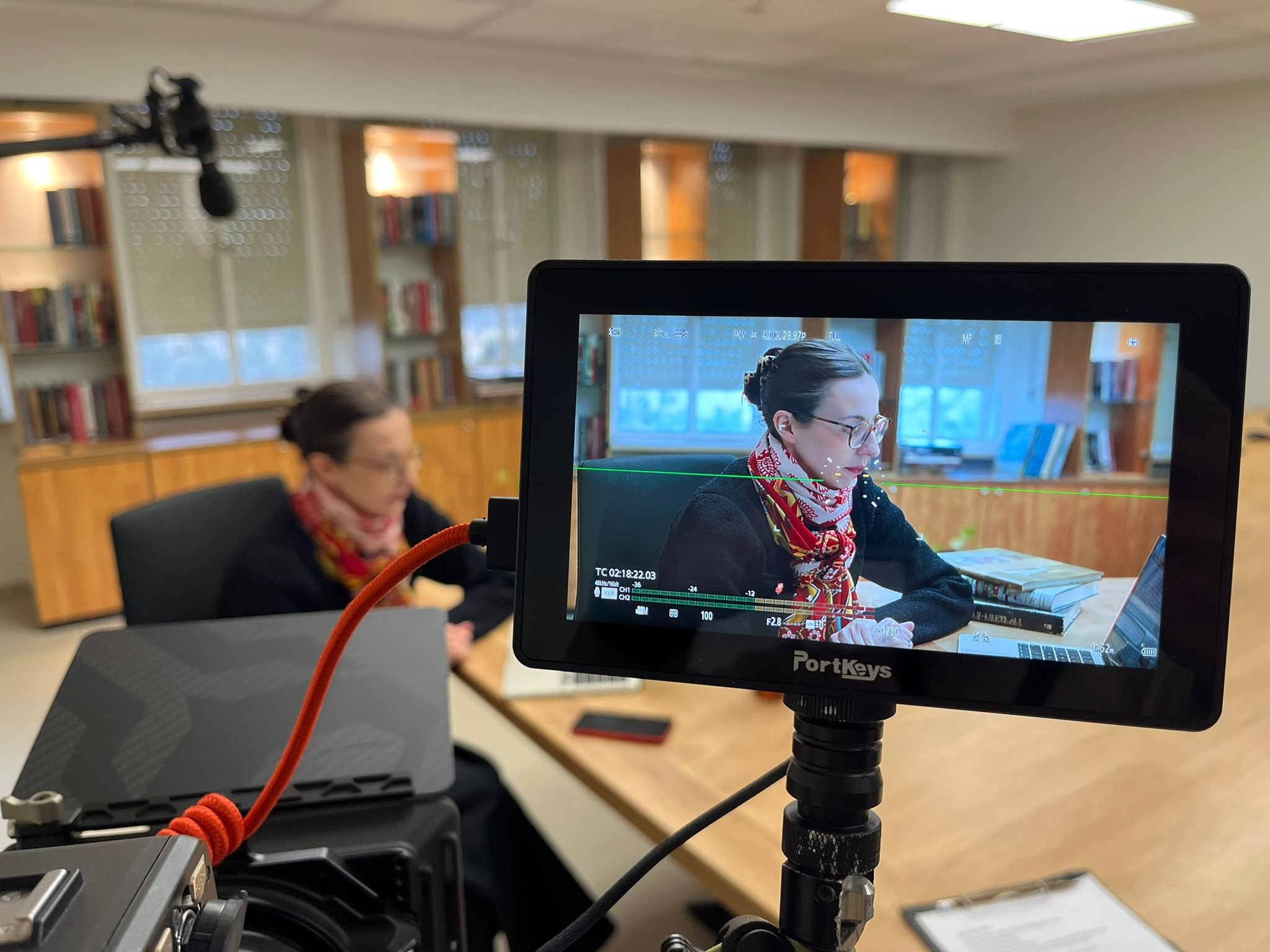
Historian Amy Williams. (Courtesy)

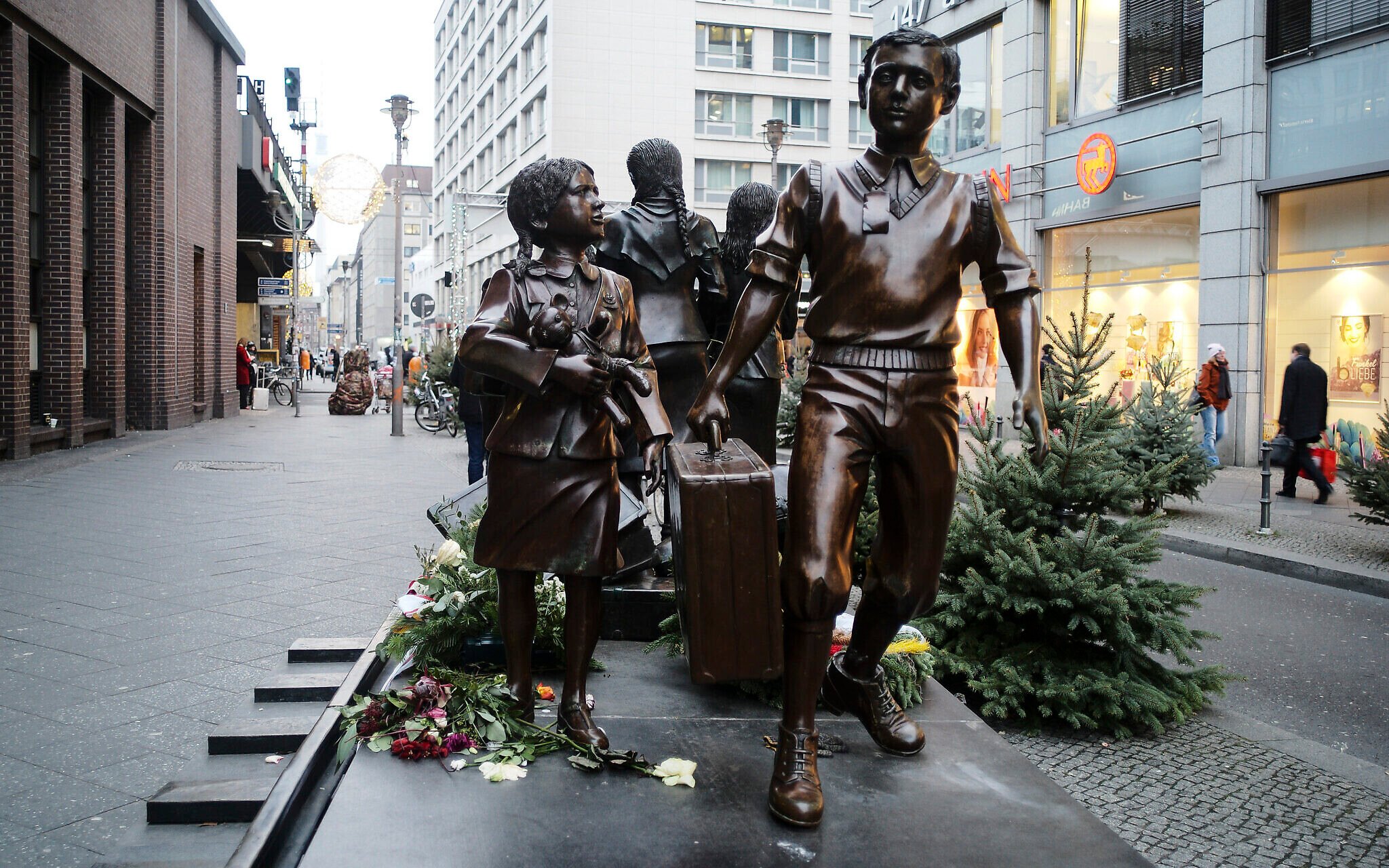
The Kindertransport has been commemorated around the world, including with statues featuring Jewish children wearing nametags. When Nazi Germany invaded Western Europe in 1940, the possibility of rescuing Jewish children all but ended.

After Germany passed the Nuremberg Race Laws in 1935, some Jewish parents began to consider the possibility of sending their children to safety abroad. Few details about the 10,000 Jewish children rescued in the Kindertransport are known, partly because most of the rescued children’s parents and siblings were murdered in the Holocaust.

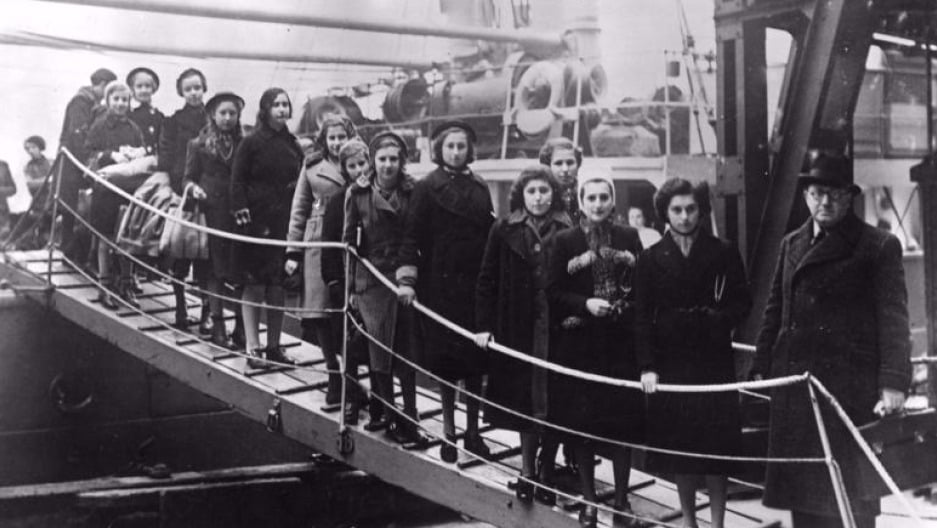
Jewish children board a ship as part of a Kindertransport operation out of Nazi occupied Europe. (Courtesy of Pamela Sturhoofd)

“It’s important as I’ve found lists which show that the Kindertransport isn’t just a British rescue. The children went to many different countries,” said Williams.

‘A feeling of authentication’

Hanna Zack Miley, 92, who was rescued on a Kindertransport, said that seeing the records identified by Williams was a transformative experience.

“I am still feeling the reverberations of seeing my details on the Kindertransport list. Reclaiming the past is an ongoing journey for me,” said Miley, who lives in Arizona. Williams and Miley have since met each other and pored over the latter’s collection of artifacts related to her flight from continental Europe.

“My first reaction was a feeling of authentication — this actually did happen, I was really there. I’m embracing more deeply both the losses and the deliverance, the saving of my life,” said Miley.

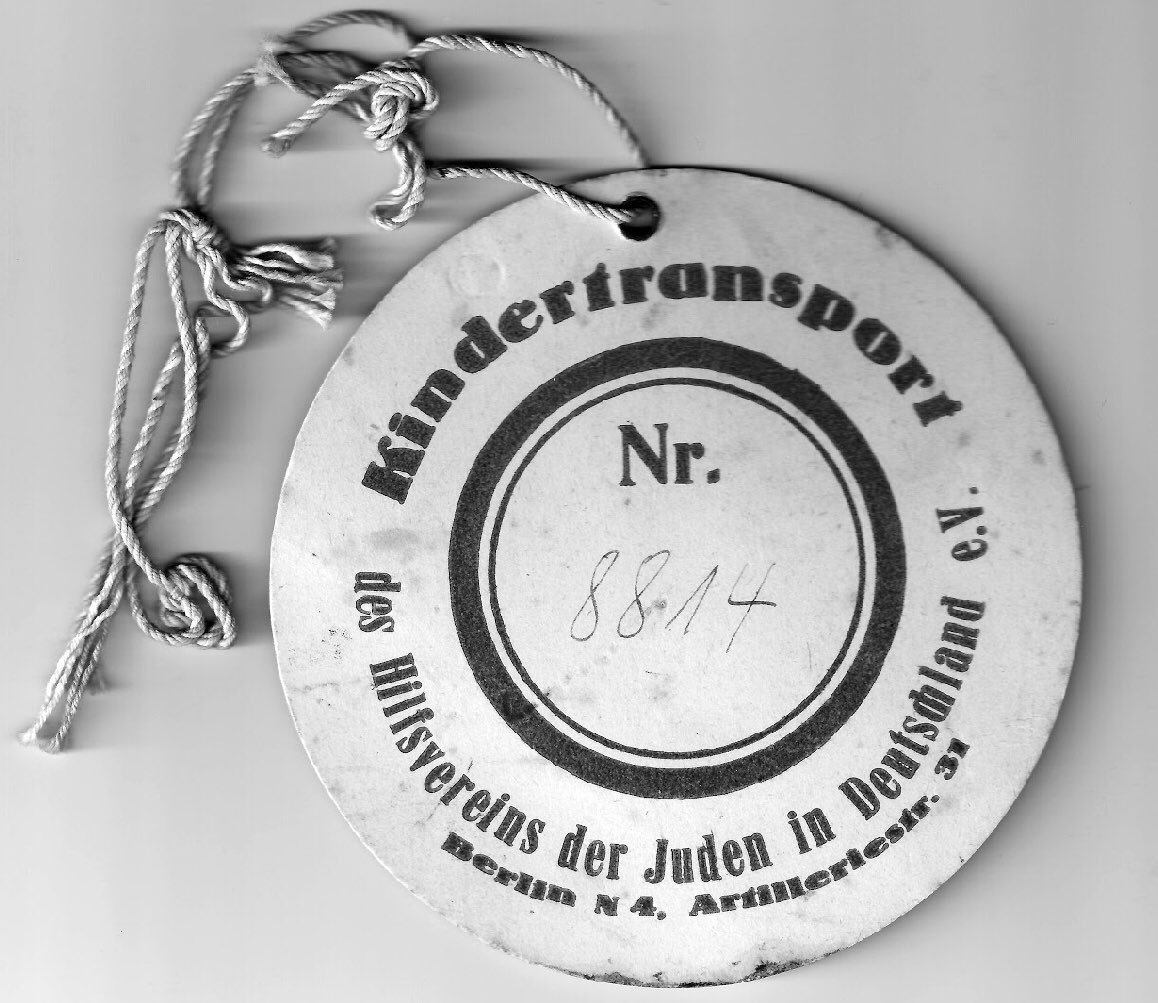
Kindertransport nametag worn by Hanna Miley. (Courtesy)

Williams hopes the Kindertransport records will eventually be housed at the UK-based Association of Jewish Refugees and World Jewish Relief, in part so survivors and their descendants can easily access the information.

In addition to personal details about Kindertransport participants, the records reveal previously unknown aspects of the rescue. For example, a host of organizations around the world were involved in trying to get Jewish children out of Europe, said Williams. (In some accounts, an organization called the Dutch Rescue Committee receives credit for organizing the operation.)

“What [the documents] show you is the extent to which all the different organizations were desperately trying to get people out to so many different places. The files aren’t digitized or searchable, so you manually have to go through everything, and there are thousands of pages,” said Williams.

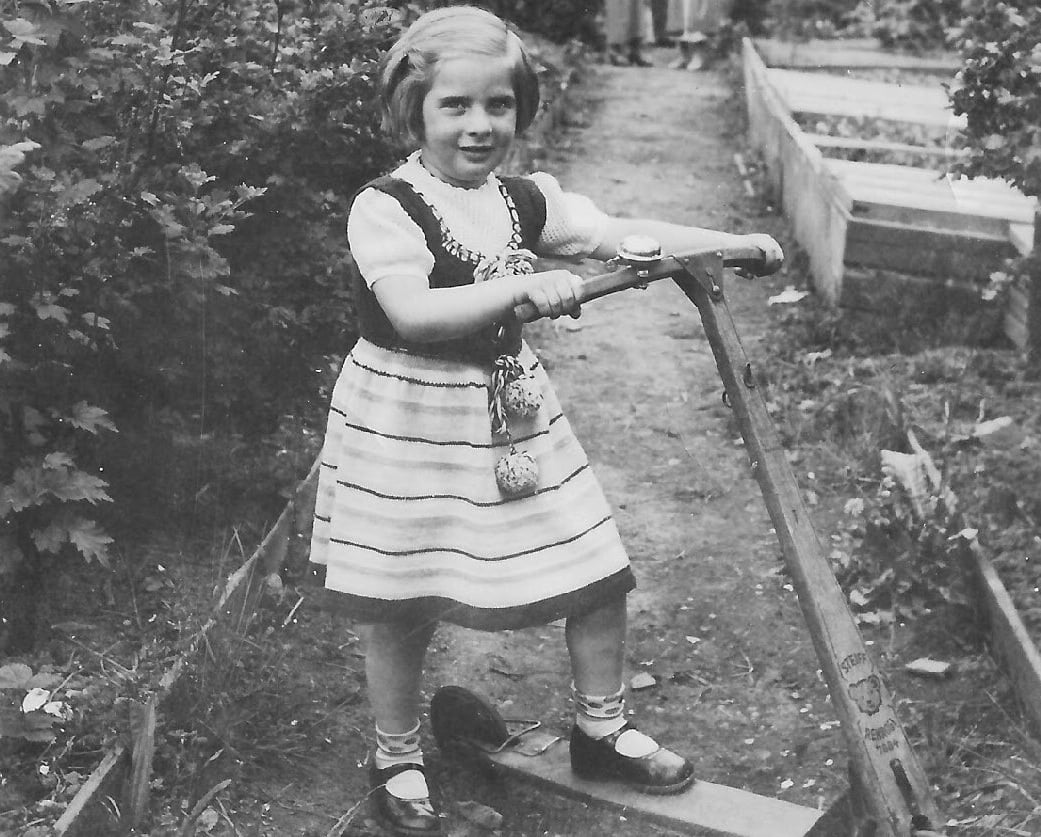
Hanna Miley, before she was rescued on the Kindertransport. (Courtesy)

Working with the Central Archives for the History of the Jewish People at the National Library of Israel, Williams is pinning down the names of children rescued from Austria and sent to the UK, France, Belgium, and Australia. The historian said that she anticipates this research will yield future announcements regarding the names of Jewish children relocated from Austria.

“I also found Kindertransport lists of children who left Croatia for British Mandate-era Palestine,” said Williams. “We often think of the Kindertransport as a Western European scheme, but… the scheme was much broader and more extensive.”

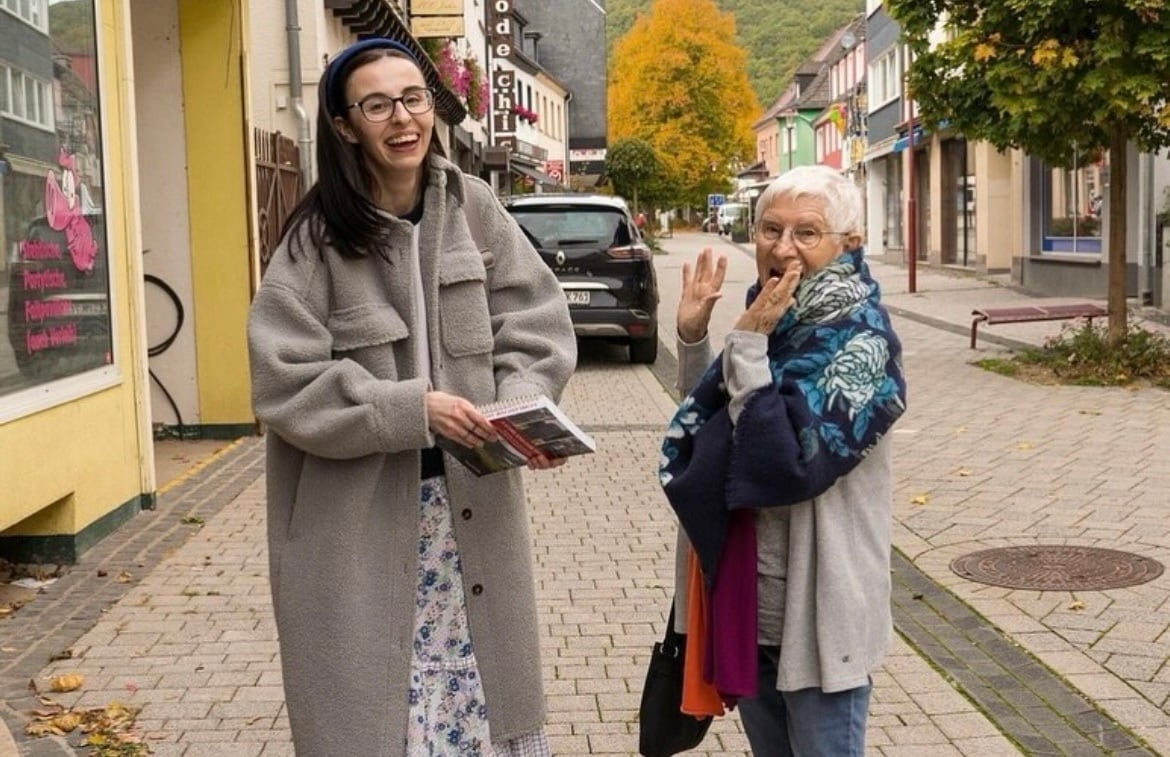
Historian Amy Williams (left) and ‘Kindertransportee’ Hanna Miley (courtesy)

‘Kindertransport lists to death’

Kindertransport survivors, including Miley, have already used the newly deciphered records to make contact with previously lost relatives.

“These documents are of huge historical significance and will help answer questions that many Jewish people have carried for their entire lives,” said William Niven, a professor of German history at Nottingham Trent University, of which Williams is an alumna.

A statue commemorating the Kindertransport near Friedrichstrasse train station in Berlin, Germany, December 17, 2018. (AP Photo/Markus Schreiber)

“For those people who were on the Kindertransport but have since passed away, it will allow their children, their grandchildren, and great-grandchildren to learn more about their family origins and the historic train journey that gave them freedom,” said Niven.

In her deep dive at Yad Vashem, Williams identified another set of lists bearing the name Kindertransport. However, these lists were not created by rescue groups, but by German authorities. Chillingly, the names of some Jewish children appear on both lists.

“Some of the children who were on Dutch Kindertransports were later deported to the concentration camps and death camps. Many did not survive. These were Kindertransports to death,” Williams said.

“The Kindertransport is synonymous with rescue and arrival, but it didn’t always mean that at the time,” she said.

https://www.timesofisrael.com/uk-historian-defies-experts-discovers-unknown-kindertransport-records-deep-in-yad-vashem/


Sunday, 3 August 2025

World News: Trump moves US subs after ex-Russian leader’s ‘inflammatory’ remarks


Trump moves US subs after ex-Russian leader’s ‘inflammatory’ remarks


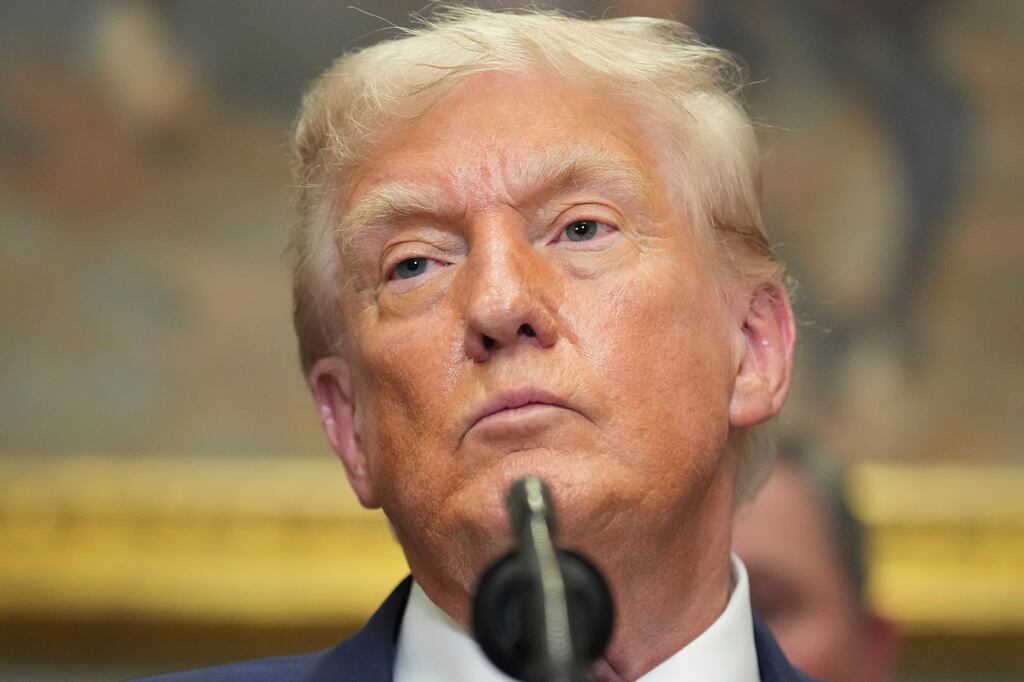
President Donald Trump says he's ordering the repositioning of two U.S. nuclear submarines over what he calls "highly provocative statements" by former Russian President Dmitry Medvedev. (Jacquelyn Martin/AP)


In a warning to Russia, President Donald Trump said Friday he’s ordering the repositioning of two U.S. nuclear submarines “based on the highly provocative statements” of the country’s former president Dmitry Medvedev.

Trump posted on his social media site that based on the “highly provocative statements” from Medvedev he had “ordered two Nuclear Submarines to be positioned in the appropriate regions, just in case these foolish and inflammatory statements are more than just that.”

The president added, “Words are very important, and can often lead to unintended consequences, I hope this will not be one of those instances.”

It wasn’t immediately clear what impact Trump’s order would have on U.S. nuclear subs, which are routinely on patrol in the world’s hotspots, but it comes at a delicate moment in the Trump administration’s relations with Moscow.

DoD photo by Petty Officer 2nd Class Corey Hensley, U.S. Navy. (Released)

Trump has said that special envoy Steve Witkoff is heading to Russia to push Moscow to agree to a ceasefire in its war with Ukraine and has threatened new economic sanctions if progress is not made. He cut his 50-day deadline for action to 10 days, with that window set to expire next week.

The post about the sub repositioning came after Trump, in the wee hours of Thursday morning, had posted that Medvedev was a “failed former President of Russia” and warned him to “watch his words.” Medvedev responded hours later by writing, “Russia is right on everything and will continue to go its own way.”

Medvedev was president from 2008 to 2012 while Putin was barred from seeking a second consecutive term but stepped aside to let him run again. Now deputy chairman of Russia’s National Security Council, which Putin chairs, Medvedev has been known for his provocative and inflammatory statements since the start of the war in 2022, a U-turn from his presidency, when he was seen as liberal and progressive.

He has frequently wielded nuclear threats and lobbed insults at Western leaders on social media. Some observers have argued that with his extravagant rhetoric, Medvedev is seeking to score political points with Putin and Russian military hawks.

Trump and Medvedev have gotten into online spats before.

On July 15, after Trump announced plans to supply Ukraine with more weapons via its NATO allies and threatened additional tariffs against Moscow, Medvedev posted, “Trump issued a theatrical ultimatum to the Kremlin. The world shuddered, expecting the consequences. Belligerent Europe was disappointed. Russia didn’t care.”

Earlier this week, he wrote, “Trump’s playing the ultimatum game with Russia: 50 days or 10″ and added, “He should remember 2 things: 1. Russia isn’t Israel or even Iran. 2. Each new ultimatum is a threat and a step towards war. Not between Russia and Ukraine, but with his own country.”

Associated Press writer Dasha Litvinova in Tallinn, Estonia, contributed to this report.


Please Recommend this page and follow us athttps://disqus.com/home/forum/the-coconut-whisperer/